
Dover EES Launch Paused as France Withholds Approval
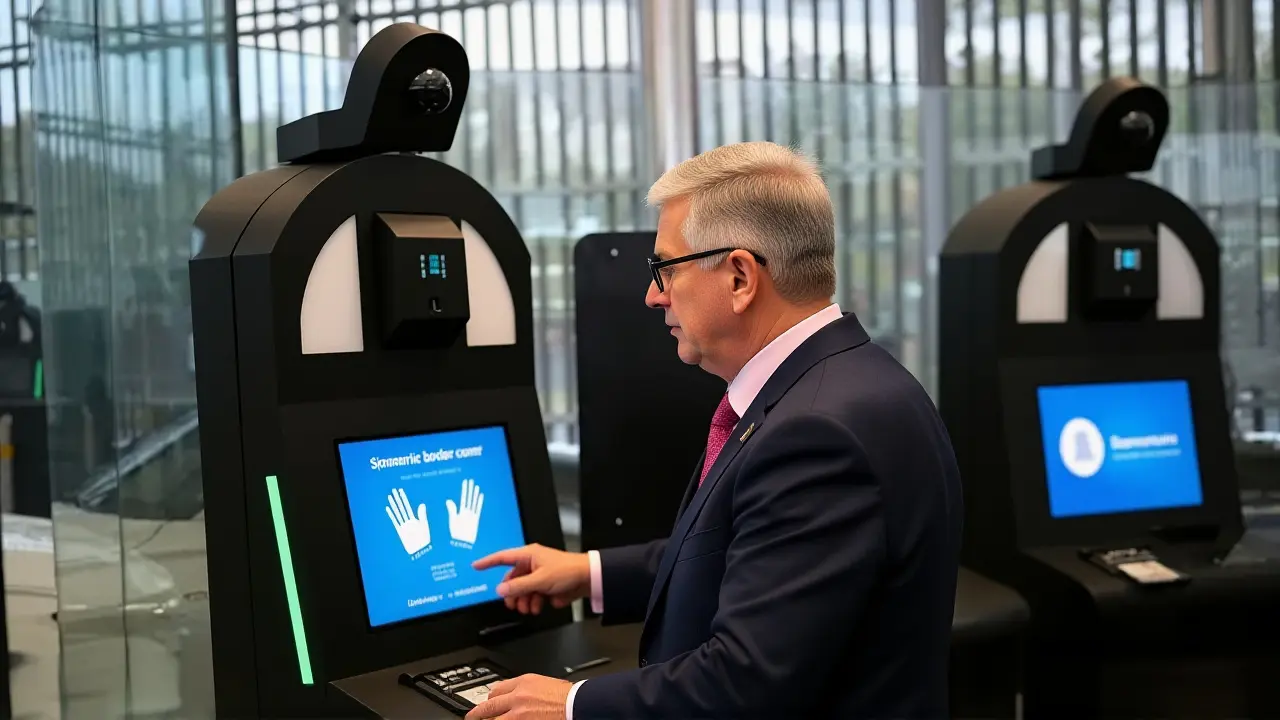
It’s the delay no one saw coming. Just days before Port of Dover was set to go live with the European Union’s controversial biometric border system, the whole thing hit the brakes. On 06 November 2025, officials announced that the launch for car passengers—originally scheduled for 01 November 2025—had been paused. The culprit? French border authorities, who simply withheld their approval for the start date.
Here’s the thing: this isn’t a technical glitch or a software bug. It’s a diplomatic and operational standoff. While the port’s infrastructure is ready, the green light depends entirely on coordination across the Channel. For British motorists planning holiday trips to Europe, it means sticking with old-school passport stamps—for now. But don’t get too comfortable. The clock is still ticking on a system that promises to fundamentally change how we travel.
The "Pause" Button Pressed by Paris
According to reports from late October and early November 2025, the plan was clear: roll out the Entry/Exit System (EES)Port of Dover for cars on 1 November. Instead, on 6 November, the status changed to "paused." Officials confirmed that the delay stems directly from decisions made by French counterparts responsible for exit checks into the Schengen Area.
This creates an odd situation. Freight vehicles had already started undergoing EES-related checks back on 12 October 2025. Ferry passengers traveling on coaches were also subject to the new digital scans before the pause. So why the hold-up for private car owners? It appears to be a matter of capacity and coordination. French authorities are effectively holding the keys to when the system goes live for the most volume-heavy category of travelers: individual drivers.
Doug Bannister, Chief Executive Officer of Port of Dover, was blunt about the reality on the ground. "Whilst Port of Dover’s facilities will be ready for [November 1], we are being guided by French authorities as to when we will activate," he stated. It’s a polite way of saying the UK side did its homework, but the other side hasn’t signed off yet.
What Is the Entry/Exit System, Really?
If you’ve been avoiding reading about border tech, here’s the short version. The EES is a digital registry designed to replace manual passport stamping. It records biometric data—specifically fingerprints and facial photographs—for non-EU citizens entering the Schengen Area.
That includes everyone from the United Kingdom. Since Brexit, British nationals are classified as "third-country" nationals in EU terms. This means every time you cross into countries like Spain, Portugal, or Italy, your entry and exit must be logged digitally. The goal, according to EU institutions, is tighter security and better tracking of overstayers. The result? A much slower process at the border.
Think of it like airport security, but for your identity. You’ll scan four fingers of each hand, have your face photographed, and answer questions about your finances (yes, they might ask if you have €66 a day in cash), accommodation, return tickets, and insurance. One traveler timed this registration segment at roughly three minutes per person. Three minutes sounds quick, until you multiply it by thousands of people waiting in line.
The "Double Red Tape" Problem
But wait—it gets worse. During the initial rollout phase, the EES doesn’t fully replace the old system; it layers on top of it. Video reports from travelers suggest a period of "double red tape" that could last until April of next year. Here’s what that looks like:
- Step 1: You join the queue for EES registration. You provide fingerprints and a facial scan.
- Step 2: You answer administrative questions about your trip.
- Step 3: You move to a traditional border officer who manually stamps your passport anyway.
Essentially, you’re doing the job twice. Experts warn this inefficiency will cause severe bottlenecks. Travelers visiting popular destinations like Spain and Italy have been urged to prepare for queues lasting up to four hours during peak times. That’s not a typo. Four hours. For a single border crossing.
The twist is that this creates a two-tier system. EU nationals, including Irish passport holders, speed through dedicated lanes. Non-EU travelers, including Brits, face the gauntlet. As one commentator noted, "You’re going to see a divide where EU citizens breeze through while the rest of us join up." It’s a stark reminder of the post-Brexit reality: convenience comes with citizenship, and right now, British tourists are paying the price in time.
Why Ports Are the Pressure Point
Airports have space. They have multiple terminals and endless rows of gates. Ports like Dover do not. The physical constraints at the port are significant. There’s limited room for queuing vehicles, and the throughput is heavily dependent on staffing levels on both sides of the water.
Reports indicate that difficulties often arise when French customs officers reduce staffing on their side of the border. If the French decide to deploy fewer officers, the backlog grows instantly. Combine that with the new, time-consuming EES procedure, and you have a recipe for gridlock. The Port of Dover has acknowledged these risks, warning travelers to expect significant congestion once the system fully activates.
Interestingly, the system is designed to become smoother over time. Once your biometrics are stored, future visits should only require a facial check, skipping the fingerprint scan. As one source joked, "They’ll say, 'We know who that is... Her passport photo really doesn’t do her justice, but it’s very nice to see you.'" But that efficiency kicks in only after the painful first registration. And until then, every trip is a fresh ordeal.
What’s Next for Travelers?
So, what should you do if you’re planning a drive to Europe? First, pack patience. Second, keep an eye on official announcements from the Port of Dover and the Home Office. While the launch for cars is paused, the underlying mandate remains. The EES is not going away; it’s just delayed.
Travel experts recommend booking extra time into your itineraries. If you’re flying, expect similar delays at major European hubs. If you’re driving, consider whether the stress of a potential four-hour queue is worth the scenic route. The era of casual, quick-border crossings is officially over. We’re moving into an age of digital verification, bureaucratic friction, and longer waits.
The details of the new start date remain unclear, but the message is consistent: prepare for change. The relationship between the UK and EU border systems is complex, fraught with logistical challenges, and deeply impactful for ordinary citizens. As we wait for the French to give the nod, one thing is certain—the way we travel to Europe has changed forever.
Frequently Asked Questions
Why was the EES launch at Dover paused?
The launch was paused because French border authorities withheld their approval for the planned 1 November 2025 start date. Although the Port of Dover had its facilities ready, activation requires coordinated clearance from French officials who manage exit checks into the Schengen Area.
Who needs to register for the Entry/Exit System?
All non-EU citizens traveling to the Schengen Area must register. This includes travelers from the United Kingdom, the US, Canada, Australia, and other third-party countries. EU nationals, including Irish citizens, are exempt from the biometric registration process.
How long does the EES registration take?
The actual biometric registration process takes approximately three minutes per person. However, due to the high volume of travelers and the addition of manual passport checks during the transition period, total wait times in queues can reach up to four hours during peak travel periods.
Will I need to provide fingerprints every time I travel?
No. Fingerprints and facial data are captured only during your first registration. For subsequent trips, the system will rely on facial recognition technology to verify your identity against the stored database, making the process faster for repeat travelers.
Does the EES replace passport stamps immediately?
Not immediately. During the initial rollout phase, which may last until April of next year, travelers will face "double red tape." This means you must complete the digital EES registration AND receive a traditional manual passport stamp from a border officer.
Prashant Sharma
May 29, 2026 AT 21:36One must consider the inherent absurdity of biometric surveillance masquerading as efficiency. The French withholding approval is merely a symptom of a larger systemic failure in post-Brexit diplomatic coordination. It is not about 'capacity' as the media would have you believe; it is about sovereignty and the refusal to be digitized into submission by Brussels. The average traveler, blissfully unaware of these geopolitical chess moves, simply complains about queues. How pedestrian.
harsh gupta
May 31, 2026 AT 02:43This isn't a delay. It's a feature. They want us all registered in their database before they let us go. The fingerprints, the facial scans-it’s all part of the great global tracking grid. Dover was ready because they wanted to start the harvest early. Paris said wait until the servers are fully synced with the other EU nodes. Don't be naive about this.
Jay Patel
June 1, 2026 AT 08:41Oh look, another bureaucratic masterpiece 🙄 The UK did its homework? Please. We left the EU to escape this exact kind of digital leash, yet here we are, begging for entry like good little pets. The 'double red tape' is just punishment for having the audacity to leave. Enjoy your four-hour queue, patriots! 😂📉
Ankita Bajaj
June 1, 2026 AT 16:10I know everyone is stressed but let's try to stay positive! Maybe this pause gives us time to pack better snacks for the car ride. Community over chaos! Let's support each other through these changes. 💪✨
Manish gupta
June 2, 2026 AT 18:17Sure, pack snacks. Because that’s going to solve the existential crisis of standing in line for four hours while an officer stamps your passport twice. You’re delusional if you think positivity fixes broken infrastructure. This is a disaster waiting to happen and nobody cares except the people stuck in the mud.
Sanjay Kumar
June 3, 2026 AT 03:43Look, I get why people are angry. But getting mad at the system doesn’t change the reality. We need to adapt. If you’re traveling soon, just give yourself extra time. Treat it like a mini-vacation from your daily stress. Breathe. Read a book. It’s not the end of the world, just a new normal. Stay calm, guys.
Suresh Kumar
June 4, 2026 AT 01:29The friction at the border is a physical manifestation of the metaphysical separation between nations. We used to flow like water; now we are forced to crystallize into data points. It is a strange time to exist in such a rigid structure.
कमल कमल
June 5, 2026 AT 22:20You Indians always complain about bureaucracy here but do you realize how much worse it is back home? At least here you get a stamp. In India you bribe the guy just to look at your papers. And don't get me started on the fact that we are being treated like criminals because of Brexit. It's a disgrace to our dignity as travelers. We should boycott European tourism entirely. Wake up people!
Mukesh Katira
June 5, 2026 AT 23:41There is a moral failing in how we treat fellow humans at borders. Reducing a person to a fingerprint scan strips away their humanity. We must demand more than just efficiency; we must demand dignity. The current system is ethically bankrupt and we should not accept it passively.
Roop Kaur
June 6, 2026 AT 09:27It’s obvious they are building a honeypot. The EES is just the first layer. Once they have your bio-data, they can track your movements across the entire Schengen zone without you even knowing. The 'pause' is just them debugging the algorithm to make sure no one slips through the cracks. Be careful what you click.
Nathan Lemon
June 7, 2026 AT 07:46As someone who has traveled extensively between South Asia and Europe, I find this situation quite illuminating regarding cross-cultural administrative expectations. The British expectation of punctuality clashes with the continental approach to procedural flexibility. It is a fascinating study in comparative governance, albeit a frustrating one for the individual citizen.
lavanya tolati
June 8, 2026 AT 14:58i feel for the families trying to visit grandparents in france right now. it seems so unfair that kids have to sit in cars for hours. hope things get sorted soon so people can just hug their loved ones without all this tech stuff in the way
Gaurav Jangid
June 9, 2026 AT 06:57Ugh!! The sheer incompetence!!! Four hours?! Are you kidding me?? I swear if I have to stand in line again I will scream!!! Why does everything have to be so complicated??? My patience is gone!!! 😡😡😡
Abhijit Pawar
June 11, 2026 AT 00:00Stop whining. Just book flights instead. Driving is for people who hate themselves.
Mike Gill
June 12, 2026 AT 13:42hey man i totally get why u r mad. its super annoying when plans fall apart like this. but hey at least u dont have to deal with the finger prints every time after the first trip right? hang in there buddy. maybe take a nap in the car lol
Ghanshyam Gohel
June 13, 2026 AT 15:16It is imperative that we acknowledge the logistical challenges presented by the French authorities. While their decision may seem abrupt, one must respect the operational protocols required for Schengen exit checks. We must remain formal and composed in our discourse regarding these matters. Do not lose your temper; it serves no purpose. Maintain decorum.
Pranav Gopal
June 13, 2026 AT 23:55We are all in this together regardless of where we come from. The best thing we can do is share information and help each other navigate these new rules. If you know someone traveling soon, send them this article. Let's build a community that supports rather than blames.