
Mbadi Poses With Budget Docs Ahead of Kenya's 2026/27 Reading
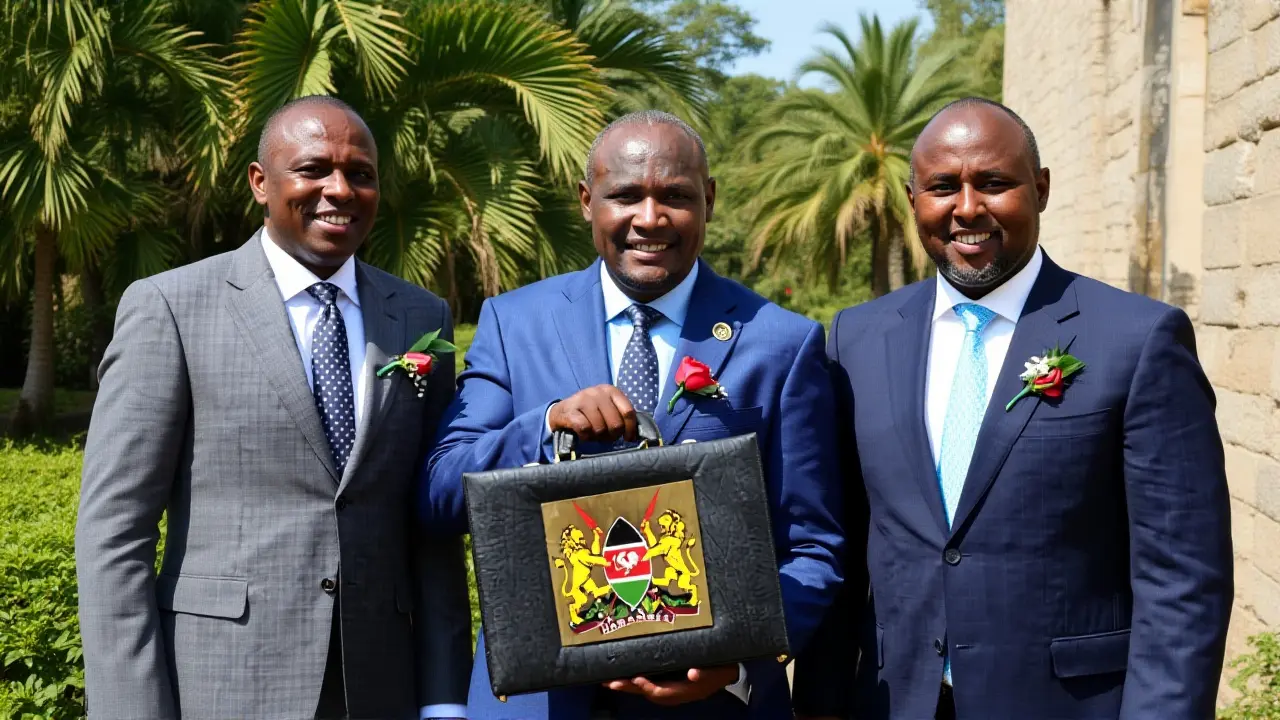
There’s a certain theatricality to Kenya’s budget season that never really goes away. On Thursday, 11 June 2026, the scene played out as expected: Hon. CPA John Mbadi, Cabinet Secretary for the National Treasury and Economic Planning, stepped out of the ministry headquarters in Nairobi, clutching the thick, freshly printed budget documents like a script before a premiere. He posed for photos. He smiled for the cameras. Then, escorted by security and senior officials, he made his way down Parliament Road toward the Parliament of Kenya to read the nation’s financial plan for the next year.
It sounds routine, almost ceremonial. And it is. But beneath the flashbulbs and the choreographed smiles lies the heavy machinery of governance. The 2026/2027 budget isn’t just paperwork; it’s a promise—and a constraint—on how much money the government will spend, where it will come from, and who gets left out. For millions of Kenyans watching from their phones or living rooms, those photos of Mbadi holding the documents were the first tangible sign that the annual economic reckoning had arrived.
The Ritual Before the Reckoning
Let’s be clear: this photo op wasn’t accidental. It’s part of an unspoken tradition in Kenyan politics. Before any major policy announcement, especially something as high-stakes as the national budget, the relevant Cabinet Secretary makes a visual appearance. Why? Because in the age of social media, seeing is believing. A picture of the Treasury CS holding the budget book signals readiness, authority, and control.
According to reports from The Star, Mbadi didn’t just stand there. He interacted briefly with ministry officials inside the National Treasury Building before stepping outside. There, under the midday sun, he displayed the physical copies of the 2026/2027 budget estimates. These aren’t digital files—they’re bound volumes, hundreds of pages long, detailing everything from infrastructure spending to education allocations. Holding them up for photographers turns abstract fiscal policy into something concrete you can see, touch, and share.
TV47 Digital captured the moment on its Instagram reel, posting: “Treasury CS Mbadi takes photos outside National Treasury before heading to Parliament for the 2026/27 Budget reading.” The caption was simple, but the message was loud. This wasn’t just a man leaving work. This was the start of a national conversation about money, priorities, and survival.
Who Was Watching? Who Was Moving?
You don’t walk alone when you carry the fate of a country’s economy in your hands. As Nairobi Leo reported, Mbadi was flanked by security officers and top ministry officials. Their presence wasn’t just for protection—it was a statement. The Treasury doesn’t operate in isolation. Every figure in that budget has been debated, negotiated, and approved by layers of bureaucracy. Those walking beside him represented that chain of command.
And then there’s the wider political ecosystem. Channel 7 News TV noted another key interaction: Mbadi met with Deputy President Rigathi Gachagua at State House after the Treasury photo session. That meeting likely wasn’t casual. Deputy Presidents often play crucial roles in coordinating cabinet messaging, especially during sensitive periods like budget presentations. If Gachagua and Mbadi aligned their talking points here, it suggests a unified front ahead of what could be a contentious parliamentary debate.
Historically, these pre-budget moments have sometimes foreshadowed internal tensions. In previous years, leaks, disagreements over tax hikes, or disputes over sectoral allocations have erupted publicly within hours of such photo ops. So far, nothing like that has emerged—but silence doesn’t mean peace. It means preparation.
Why This Matters Beyond the Photos
Here’s the thing most people miss: the budget reading itself lasts only a few hours. But its impact ripples through every aspect of life in Kenya for twelve months. Will hospitals get more funding? Will roads be repaired? Will farmers receive subsidies? Will students face higher tuition fees? All answers lie in those documents Mbadi held up for the cameras.
Experts suggest that the 2026/2027 budget will focus heavily on debt sustainability and public service efficiency. After years of rising borrowing costs and pressure from international lenders, the Treasury faces a delicate balancing act. Spend too little, and growth stalls. Spend too much, and creditors lose confidence. Mbadi’s job is to thread that needle while keeping the public calm.
One analyst put it bluntly: “If the budget fails to address inflationary pressures or create visible jobs, no amount of photo ops will save the administration’s credibility.” That’s the real stakes behind the staged smiles.
What Comes Next?
After the formal reading in Parliament, the process shifts to committee reviews, amendments, and eventual approval—or rejection. Members of Parliament will dissect each line item. Opposition leaders will demand transparency. Civil society groups will publish alternative budgets. And ordinary citizens will wait to see if their neighborhoods finally get paved, their clinics stocked, or their schools staffed.
For now, though, the spotlight remains on Mbadi. His performance in Parliament will define not just the success of this budget cycle, but also his legacy as Treasury CS. Did he deliver clarity? Confidence? Or confusion?
We’ll know soon enough. Until then, all we have are the photos—and the hope that they reflect more than just optics.
Frequently Asked Questions
When does the 2026/2027 budget take effect?
The 2026/2027 fiscal year begins on July 1, 2026, meaning all approved expenditures and revenue collections start immediately after the budget is passed by Parliament. While the reading happens in June, implementation kicks off the following month, making timing critical for planning across government agencies.
Who else besides Mbadi plays a role in shaping the budget?
While Mbadi leads the presentation, the budget is shaped by multiple stakeholders including the Ministry of Finance, county governments, opposition lawmakers, civil society organizations, and even international partners like the IMF and World Bank. Each group influences specific sections based on their interests and expertise.
Why do politicians pose with physical budget documents?
Physical symbols matter in politics. Holding the actual budget book creates a powerful image of accountability and preparedness. In an era dominated by digital communication, tangible objects help convey seriousness and permanence. Plus, it gives journalists and social media users something visually compelling to share.
How long does the entire budget approval process take?
From initial drafting to final enactment, the full budget cycle typically spans several months. However, once presented in Parliament, the legislative review phase usually takes four to six weeks. Delays can occur due to political negotiations, technical corrections, or demands for additional explanations from the Executive branch.
What happens if Parliament rejects parts of the budget?
Parliament cannot reject the entire budget outright without triggering a constitutional crisis, but it can amend individual provisions. If significant changes are made, the Executive may need to renegotiate terms or adjust spending plans accordingly. Historically, compromises are reached, though not always satisfactorily for all parties involved.
Is this kind of photo op unique to Kenya?
Not entirely. Many countries use symbolic gestures around major policy announcements—from handing over sealed envelopes to standing beside large charts. However, Kenya’s version stands out because of its consistency and visibility. Almost every year since independence, some form of pre-budget photo ritual has taken place, reinforcing its cultural significance.